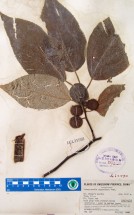
| Family: Moraceae | Genus: Broussonetia | Species: Broussonetia papyrifera (Linn.) L'Hér. ex Vent.( जंगली तूत ) |
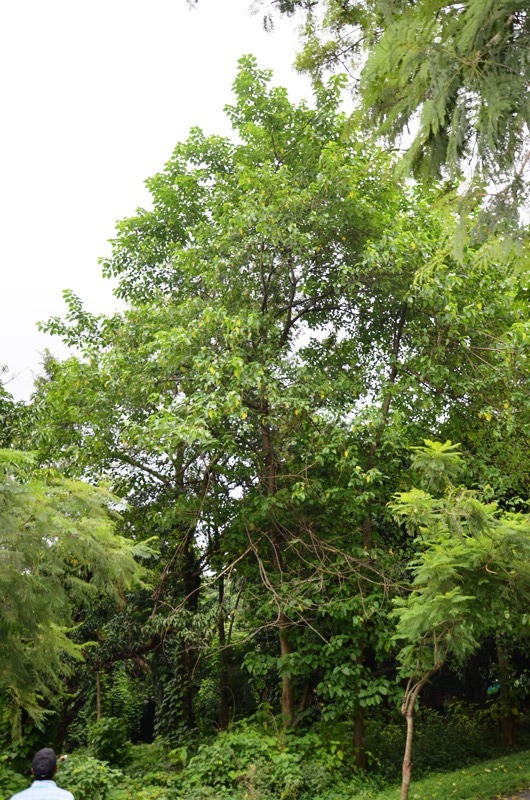
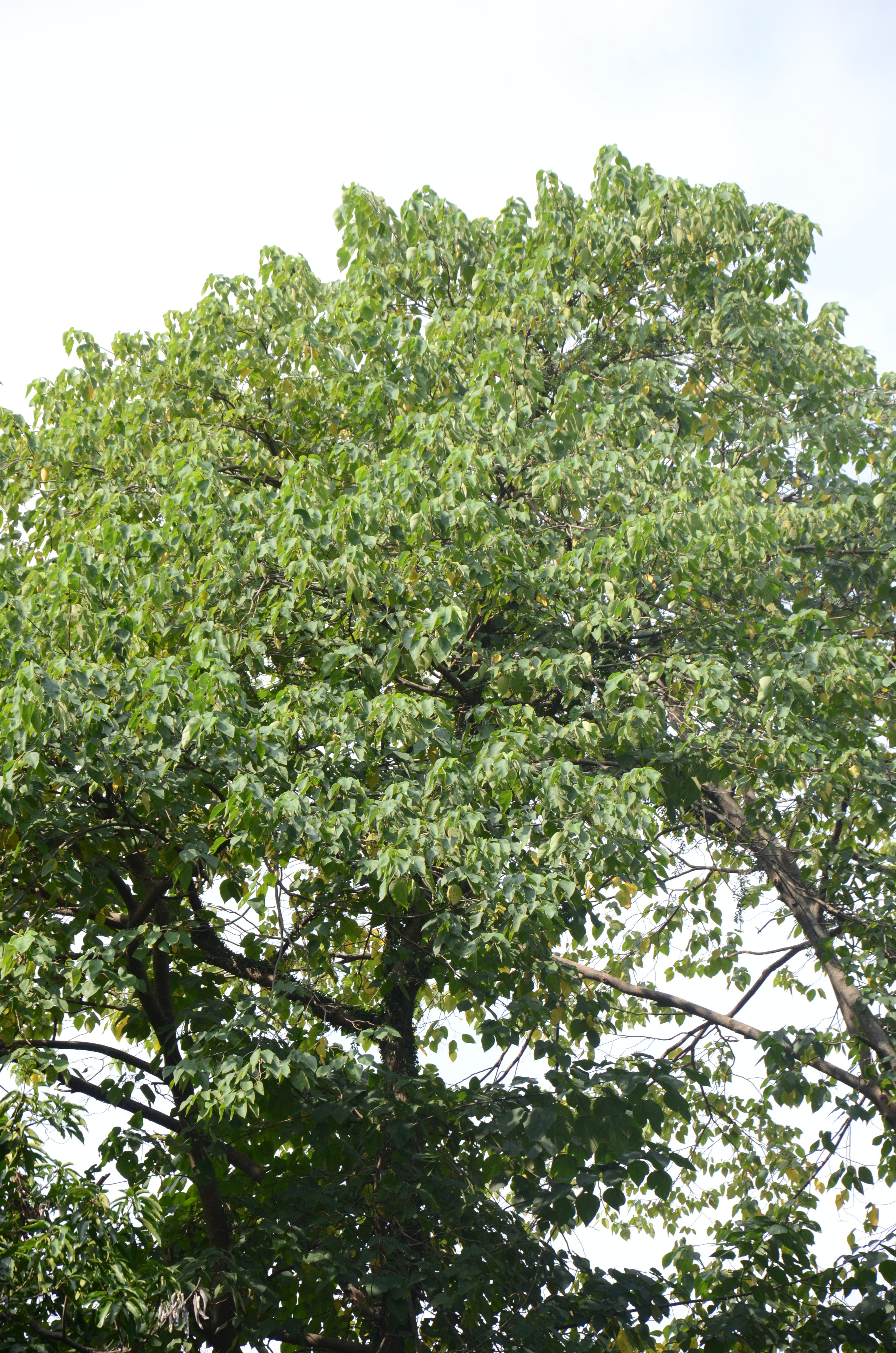
Habit |
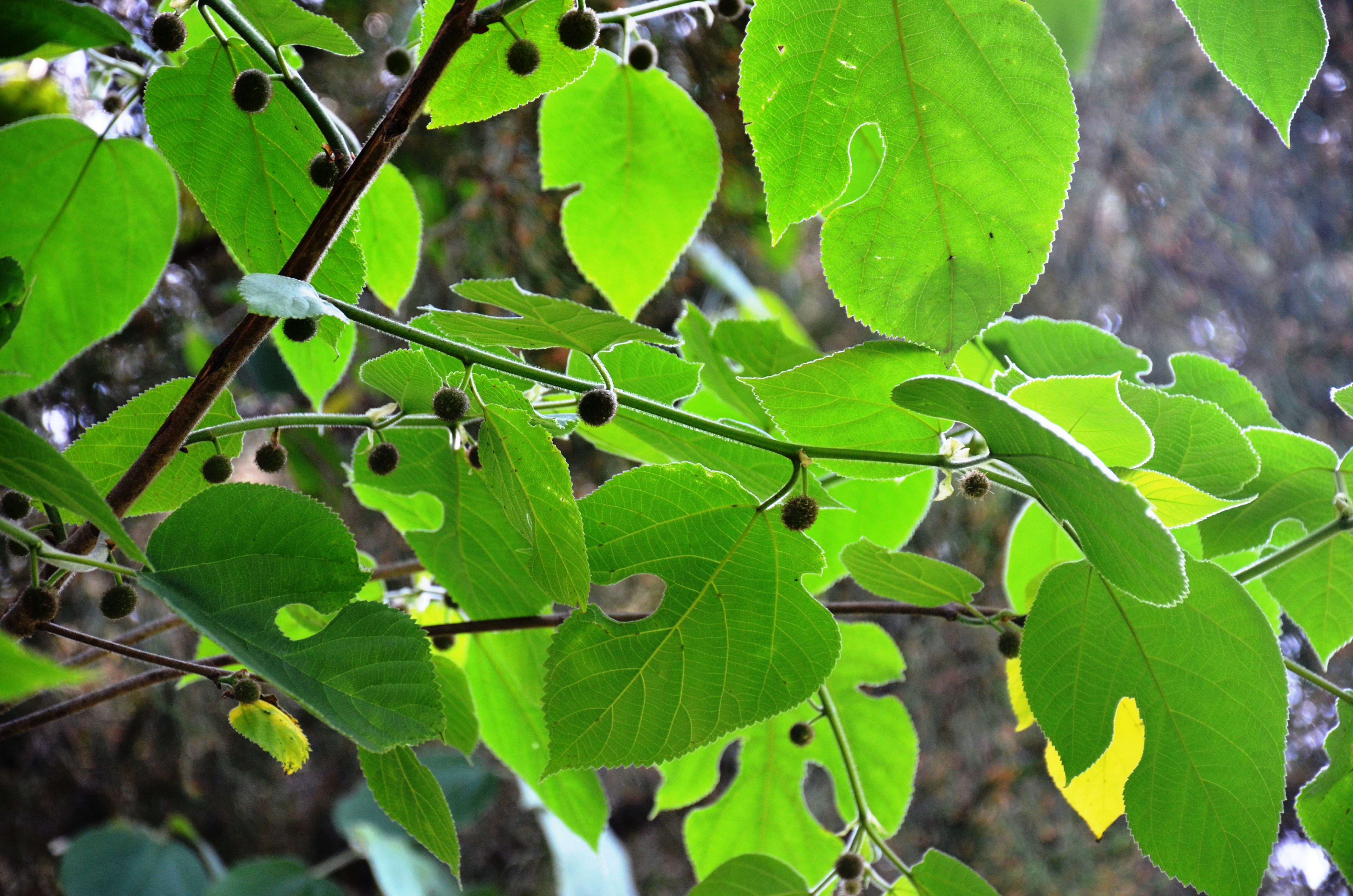
Leaf |
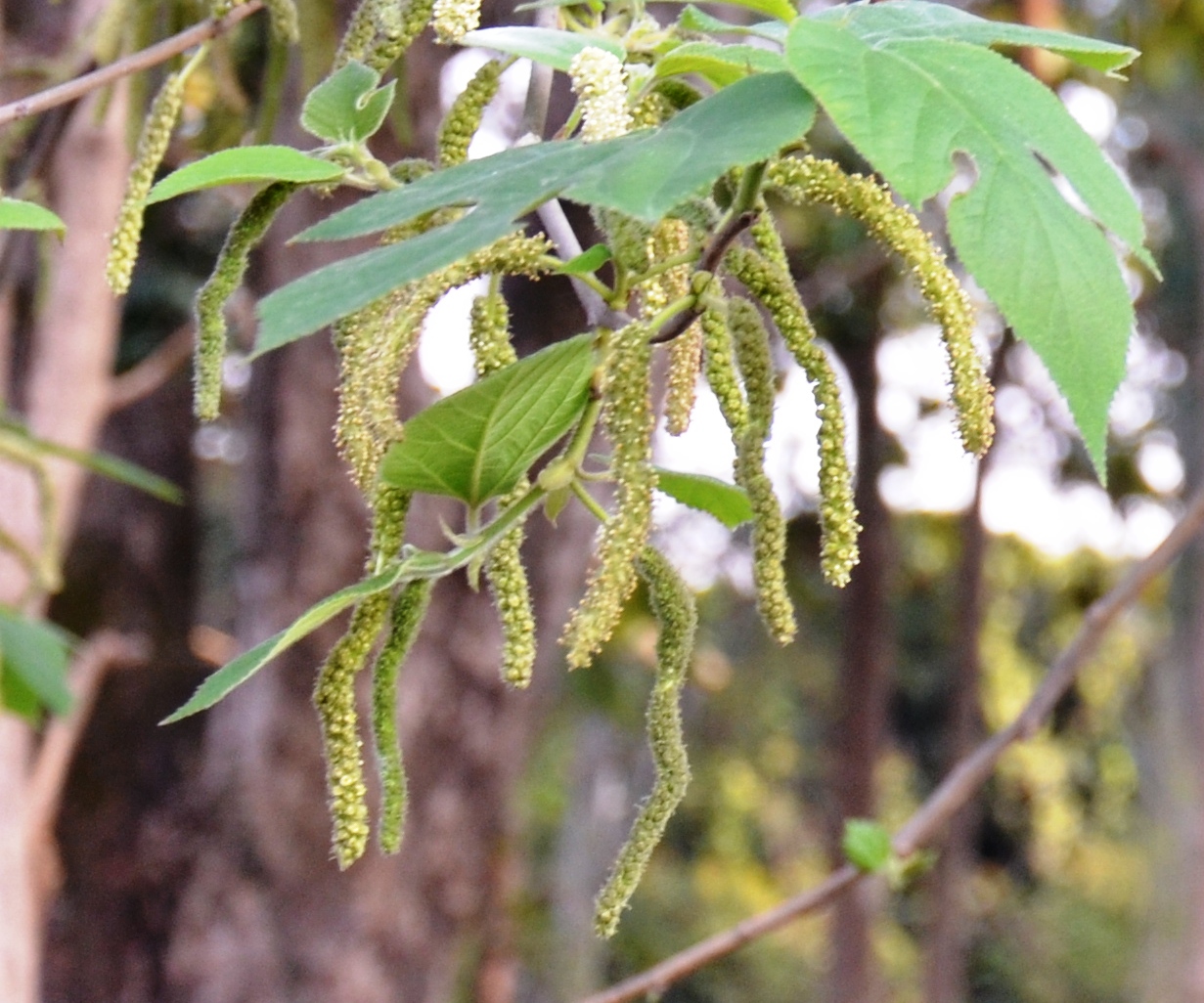
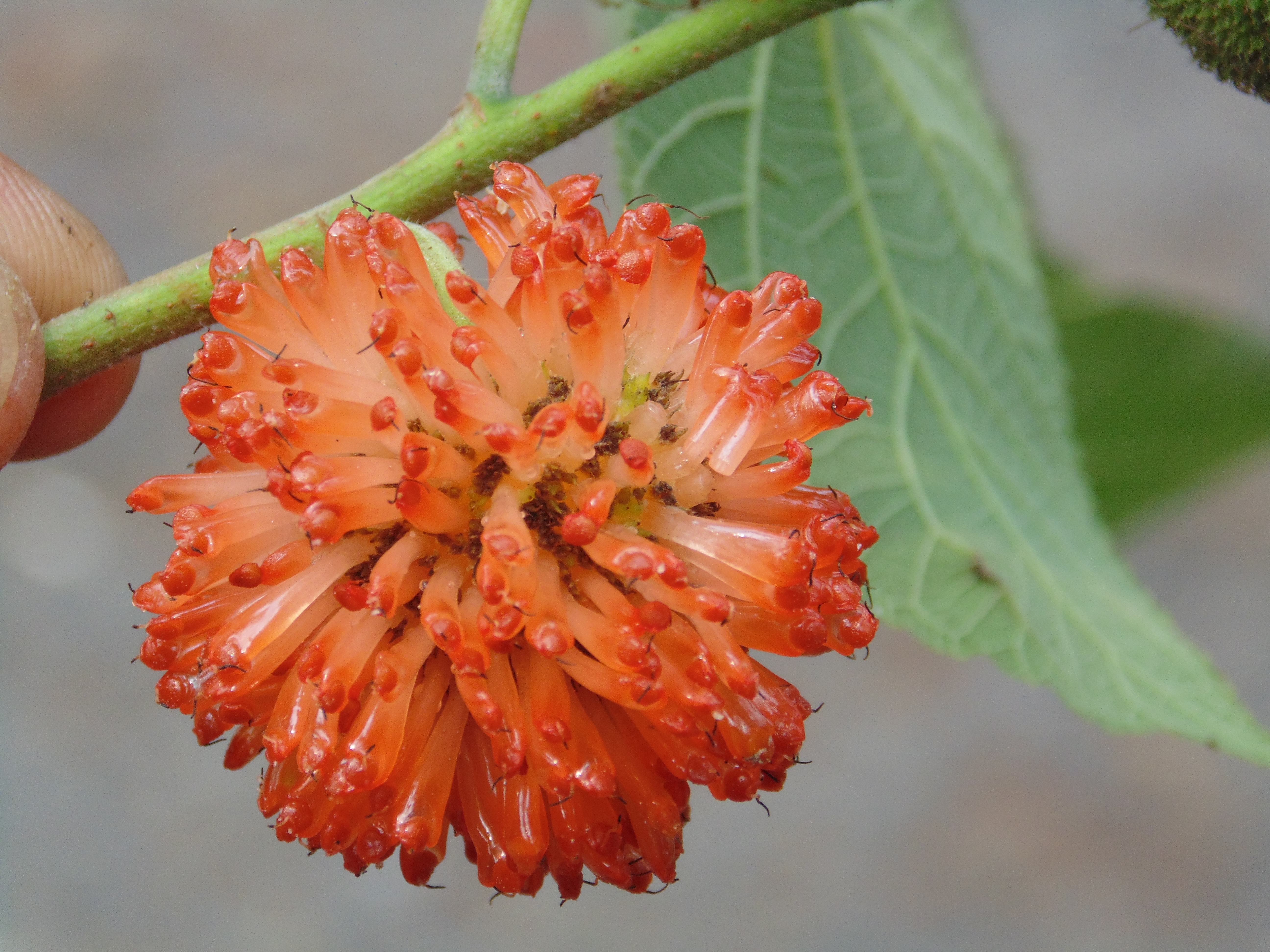
Flower |
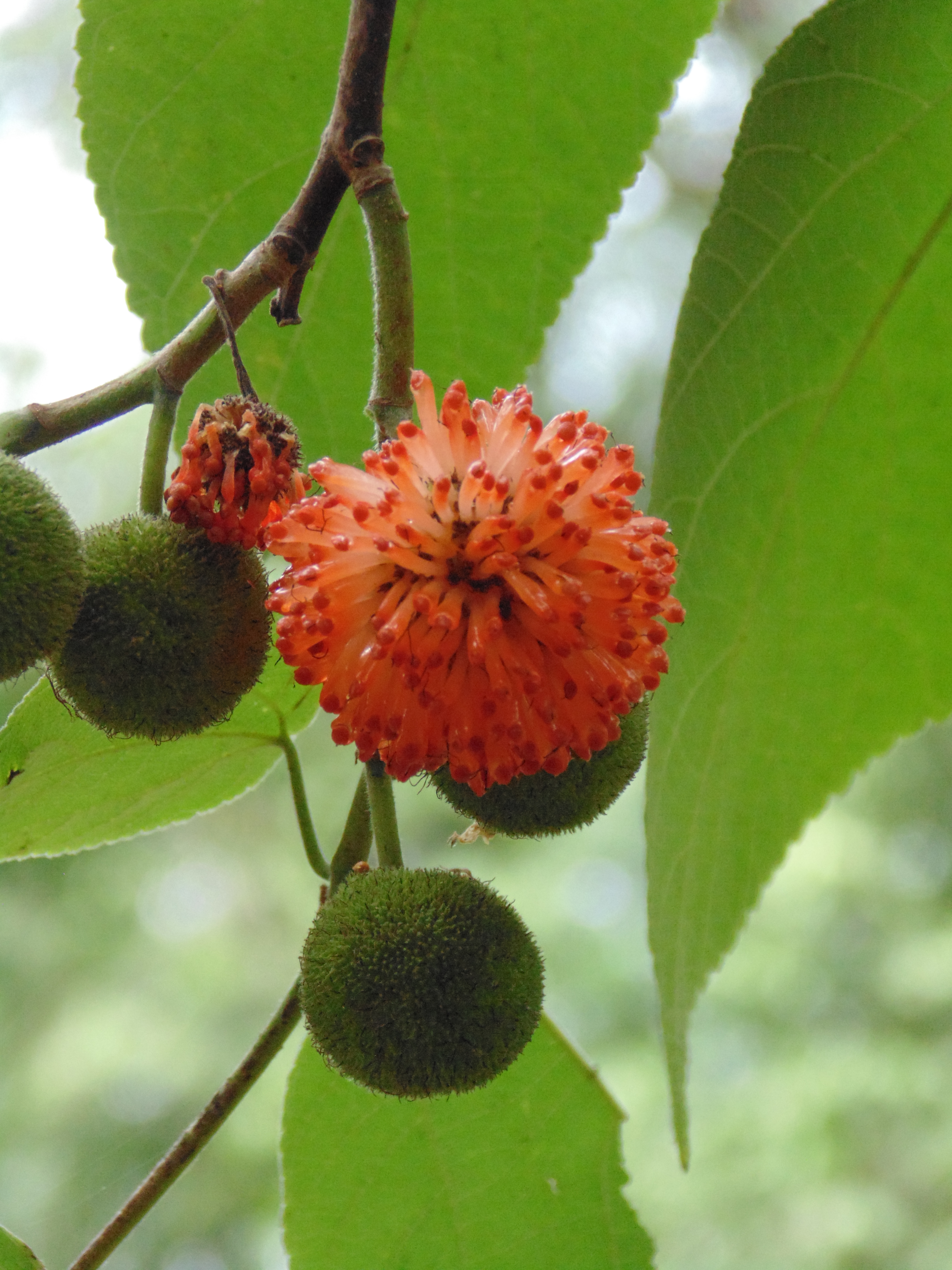
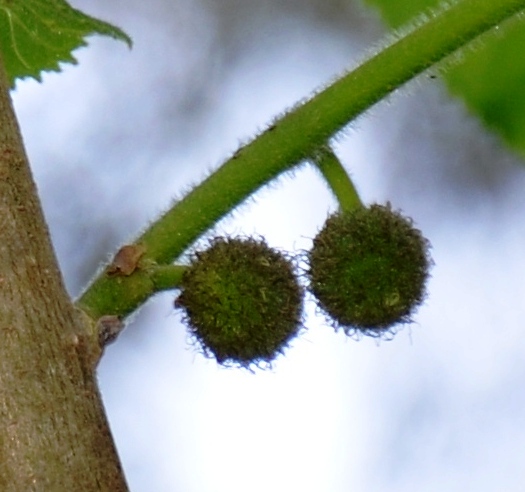
Fruit |
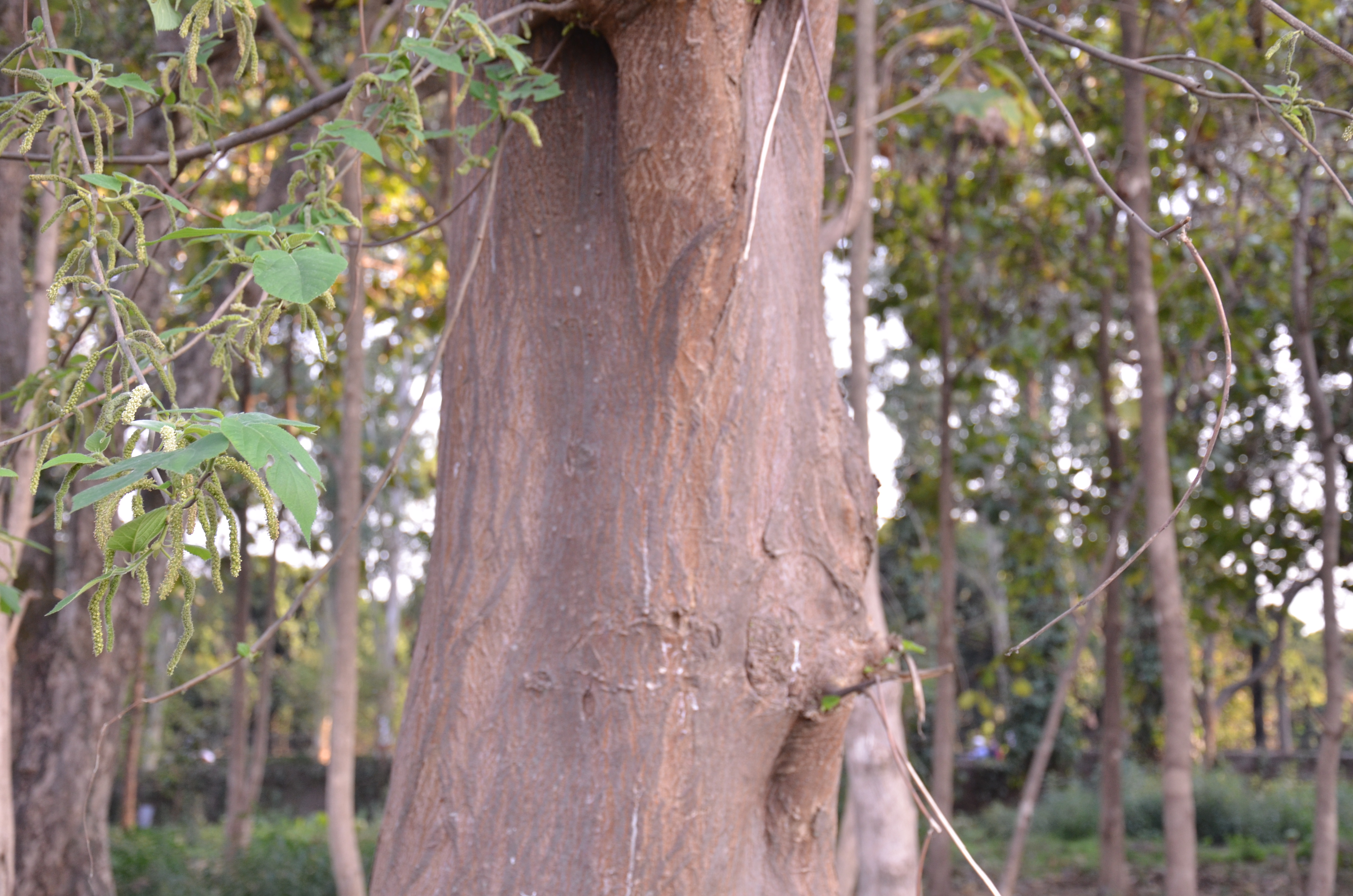
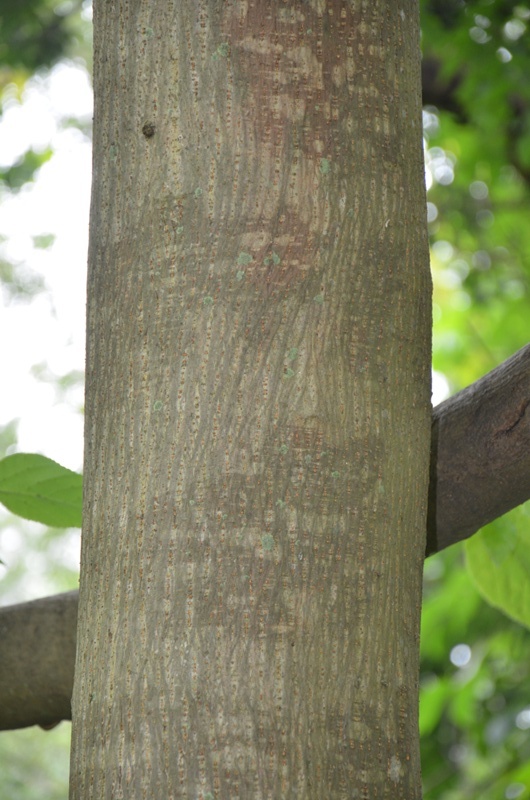
Bark |
|
|
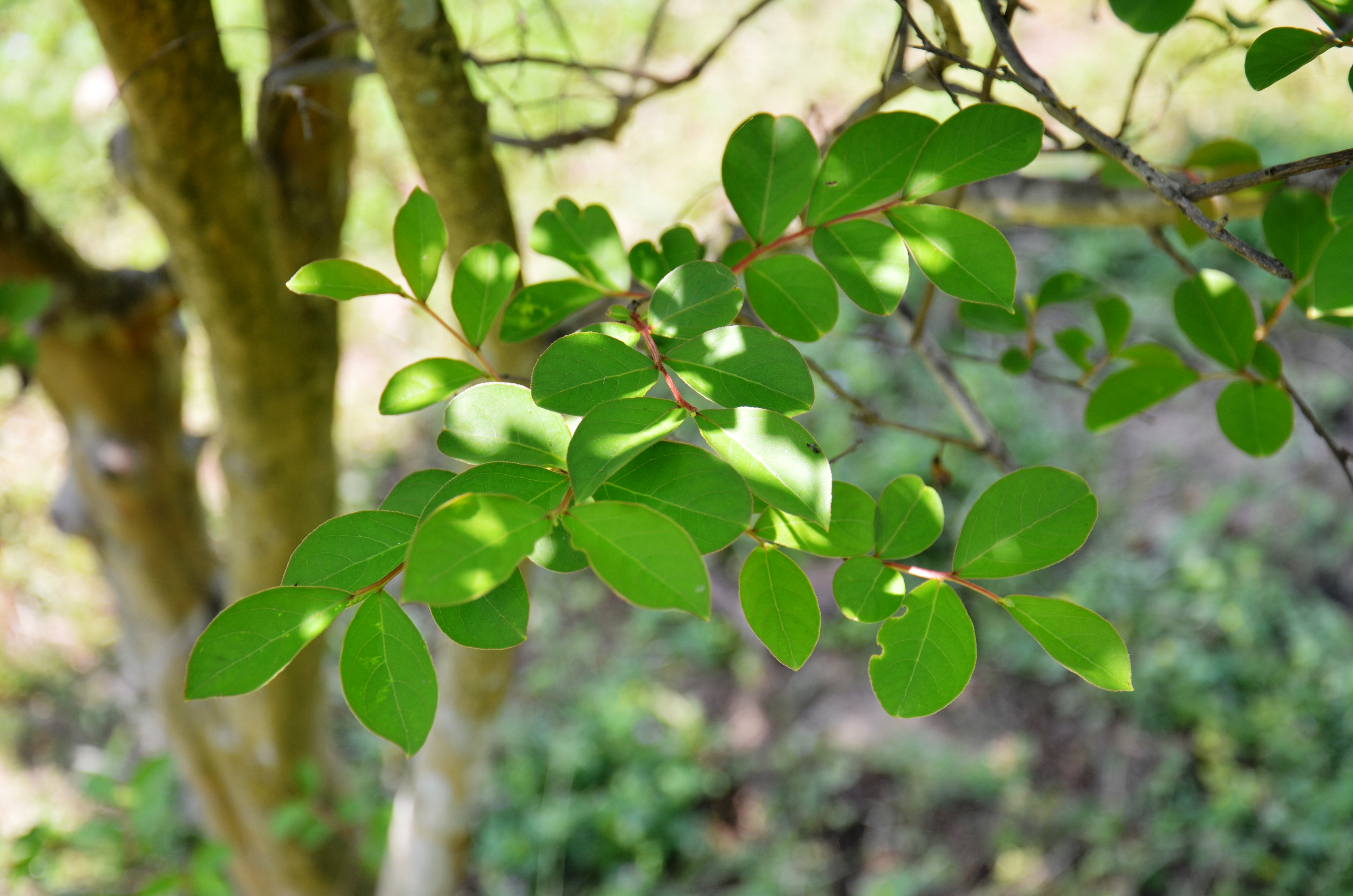
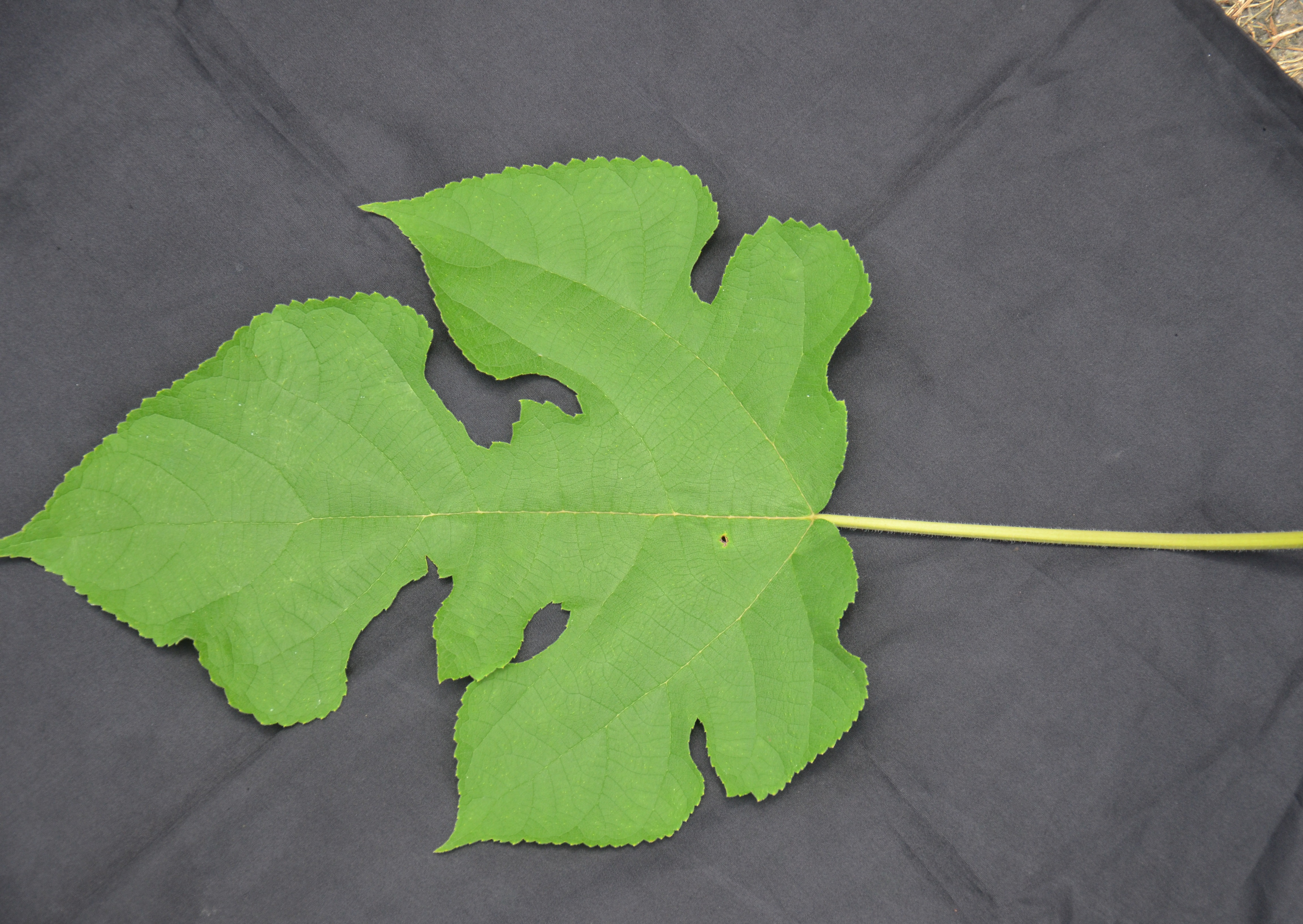

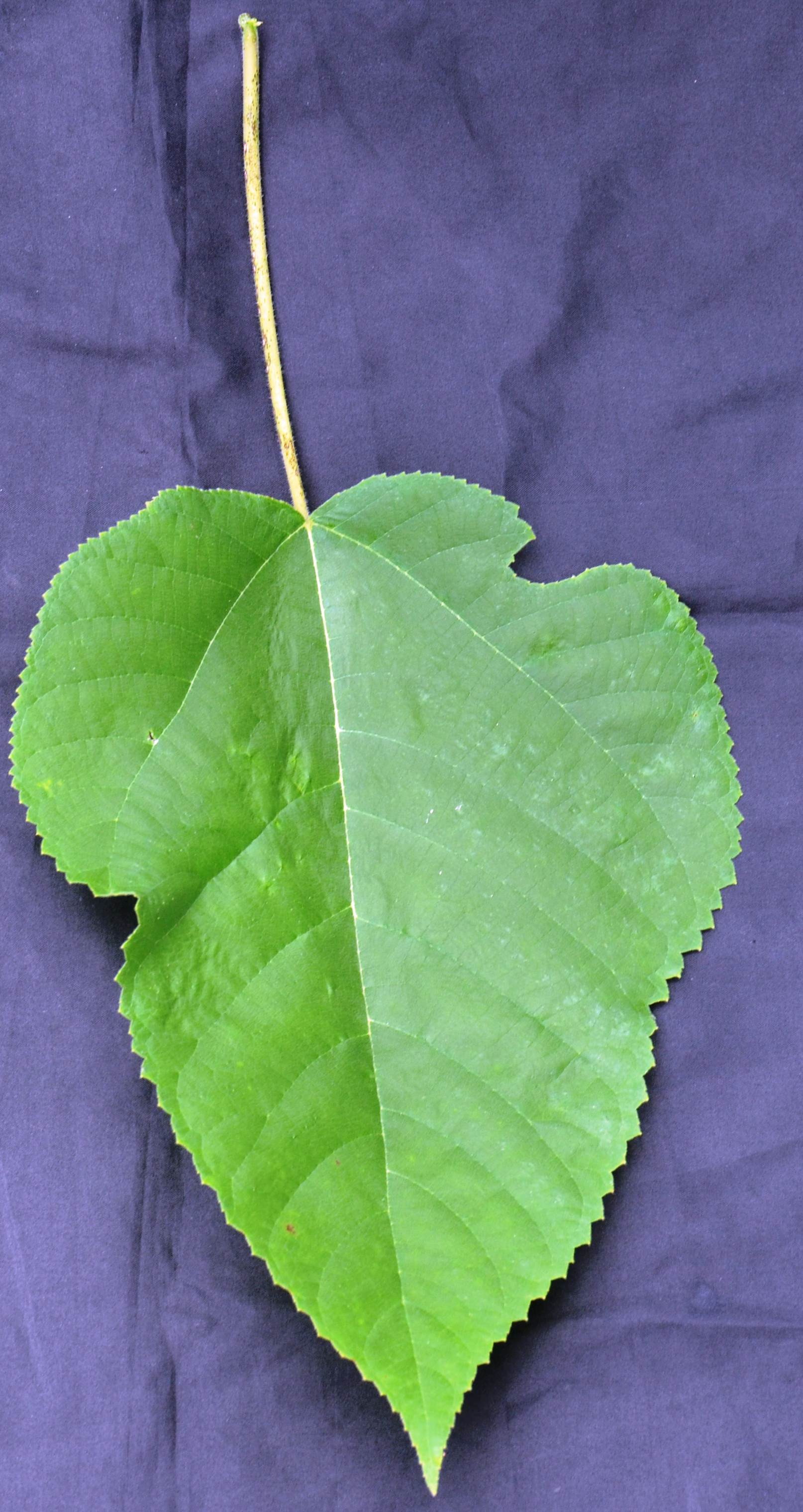
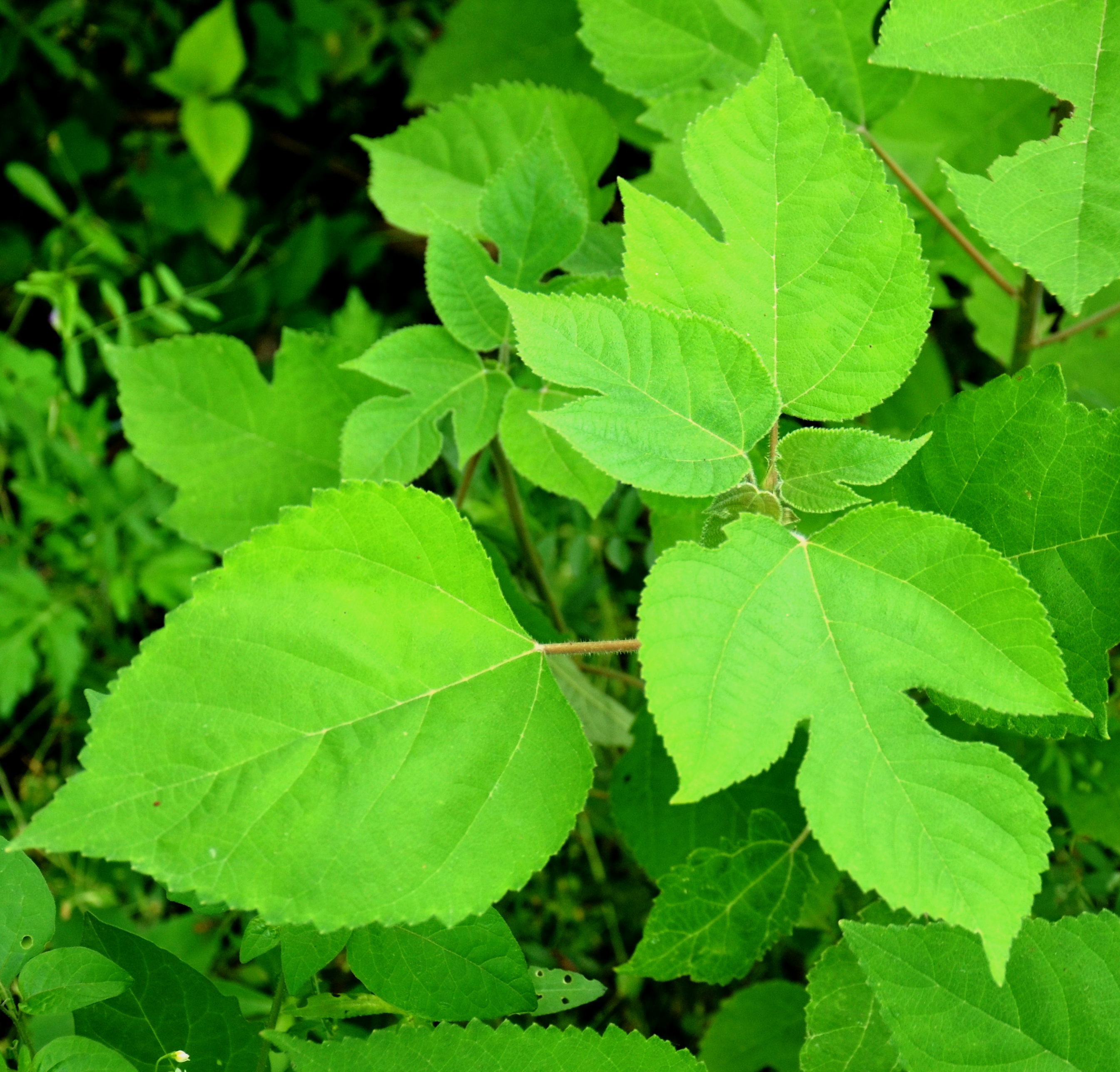
_.JPG)
| Synonym | Broussonetia billardii Carruth., Broussonetia cordata Blume, Morus papyrifera L., Broussonetia dissecta Bureau | Flower Color | Yellow - Orange |
| Common Name | Paper mulberry | Flower Type | Raceme |
| English / Trade Name | Tapacloth tree | Flowering Period | Oct-Dec |
| Vernacular /Local Name | Jangli toot | Fruiting Period | Oct-Dec |
| Altitude | Upto1000 m | Fruit Type | Aggregate |
| Habit | Tree | Fruit Details | Fruit shiny-reddish, fleshy, globose and compound with the achenes 1-2 cm long and wide hanging on long fleshy stalks |
| Habitat | Deciduous forests and cultivated | Bark Type | Smooth |
| Distribution | Malesia, China and Japan, India, Pakistan, Thailand | Bark Details | Bark ,grey, fibrous |
| Distribution in Haryana | Ambala, Kurukshetra, Morni-Pinjore, Yamuna Nagar | Origin | Native |
| Leaf Type | Simple | ||
| Leaf Arrangement | Alternate (leaves born singly along stem) | ||
| Leaf Shape | Ovate | ||
| Description of Species | Deciduous trees, upto 18 m high, bark smooth, grey, fibrous. Leaves alternate. Stipules 6-7 mm long, ovate-lanceolate, membranous, denticulate. Petiole 3-10 cm long, slender, tomentose. Lamina 4-20 x 1.5-11 cm. apex acuminate, margin serrate or dentate. Lateral nerves 4-15 pairs, pinnate, prominent, intercostae scalariform, prominent. Flowers unisexual. Male flowers, in 20-60 mm long spikes with sterile tip on one side, bracts 1-1.3 mm long, ovate, acute, tepals 4, joined in the lower half. Stamens 4, inflexed in bud. Pistillode spicate, minute. Female flowers , in axillary globose heads to 5-8 mm wide, peduncle 2-5 mm long, bracts 1-1.3 mm long, subpeltate-clavate, with minutely hooked hairs. Ovary superior, sessile. Style 1, puberulous | Leaf Details | Leaves alternate. Stipules 6-7 mm long, ovate-lanceolate, membranous, denticulate. Petiole 3-10 cm long.Lamina 4-20 x 1.5-11 cm. apex acuminate, margin serrate or dentate |